About Us
built by veterans who've walked the long way out
March Out was founded by veterans who lived the full arc of service — the structure, the identity, and the moment it all disappeared.
This isn’t theory or policy. It’s lived experience turned into real-world support for life after service.

Why March Out Was Created
Where the System isn't enough
Defence transition support is built on frameworks, policy, and process.
It can explain what needs to happen — but it doesn’t walk beside someone while life is unfolding.
Many support services rely on contractors, coordinators, or referrals.
Skilled professionals — but often without lived military experience.
They understand transition conceptually, not personally. And that gap matters.
Because the hardest parts of leaving service aren’t administrative.
They’re human:
Identity loss.
Disorientation.
The quiet moments where confidence slips and decisions feel heavier than they should.
March Out exists in that space — where lived experience meets practical guidance.
Transition doesn't fail because veterans aren't capable.
it fails when support fails.
Peer support works because it removes translation and replaces it with trust.
There’s no need to explain the culture, the language, or the weight of the uniform — it’s already understood.
When guidance comes from someone who has served, transitioned, and rebuilt their life beyond Defence, trust forms faster.
And progress follows.
We get it - because we have lived it.
March Out doesn’t replace existing systems.
We strengthen them — by ensuring veterans aren’t navigating transition alone, unsupported, or misunderstood.
Teamwork
march out exists between systems - making them work better for veterans
We don’t replace Defence, DVA, or clinical services — and we don’t compete with them.
March Out exists because systems can explain what needs to happen, but they don’t walk beside someone while it’s happening.
Transition breaks down in the gaps between appointments, referrals, forms, and decisions. This is when veterans are often left to navigate alone.
We strengthen existing pathways by adding what’s often missing: continuity, lived experience, and peer-led guidance from veterans who understand military culture personally, not conceptually.
When systems and peer support work together, transition outcomes improve.
we help veterans rebuild
March Out provides structured, peer-led mentoring that supports veterans through the practical, personal, and identity-based challenges of transition — from navigating systems and admin, to rebuilding confidence, purpose, and connection.
Leaving Defence isn’t just an administrative process; it’s personal.
For many veterans, the hardest part isn’t paperwork but losing structure, purpose, confidence and identity shaped by service. This part of transition is often delayed, fragmented, or overlooked.
March Out addresses that gap early — while life is actually happening, not years later.
What to Expect
In whichever way you chose to work with us, you will walk away:
reconnect with who they are beyond the uniform
clarify values that guide their daily decisions
rebuild confidence through action not theory
develop direction and purpose that feels meaningful again
what are we
We don’t create dependency.
We build capability.
As clarity returns, support steps back – by design.
We are a veteran-led organisation combining lived experience with structured guidance — hands-on, trust-based, and focused on outcomes that matter: stability, direction, and independence.
Our Ethos
Guided by Purpose, Driven to Serve
Built by veterans who have transitioned themselves, we understand the practical and personal challenges that come with leaving the uniform. Our role is to walk alongside veterans as they rebuild identity, confidence, and direction — strengthening their ability to move forward independently.
Mission
Our mission is to support veterans through the most vulnerable stages of transition by combining structured, peer-led mentoring with practical systems, mindset work, and community support — restoring clarity, confidence, and direction while building long-term independence.
Vision
We envision a future where no veteran leaves service feeling isolated, lost, or unsupported — where transition is met with continuity, understanding, and real-world guidance, and veterans move forward with clarity, purpose, capability, and community beyond the uniform.
Respect
We honour the service of every veteran and treat all individuals with dignity.
Integrity
We operate with honesty and uphold the highest moral and ethical standards.
Resilience
We empower veterans to overcome challenges an build strength through adversity.
Empathy
We listen, we understand, we support; without judgment.
Empower
Equipping veterans with tools and support to navigate their journey with confidence.
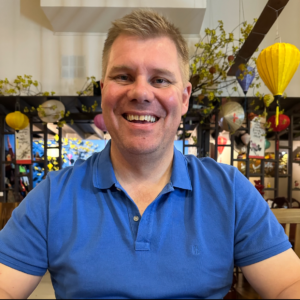
Meet Our Team
Our Team
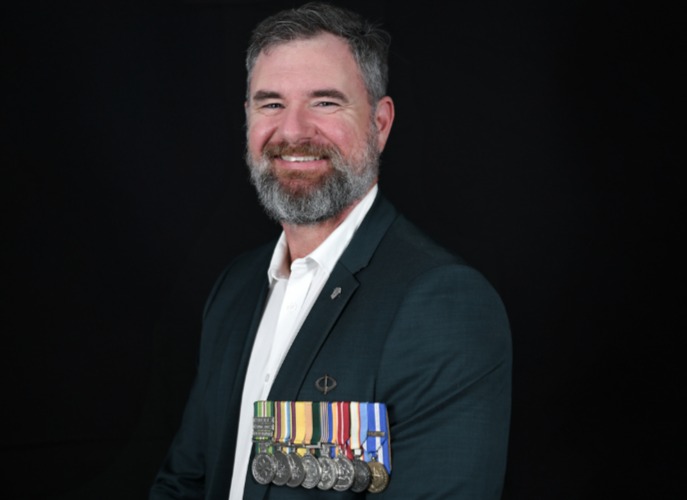
March Out is led by veterans who have served, transitioned, and rebuilt life beyond Defence.
We don’t lead from theory — we lead from experience, training, and trust.
Guidance That Matters
What working with us looks like

we meet you where you are
Every transition is different. We start with what’s actually going on — not assumptions or checklists.

Support that fits real life
Our mentoring and coaching is delivered through a mix of virtual sessions (including Zoom), one-on-one support, and group connection — making support accessible regardless of location or schedule.
We walk alongside you while life happens
Admin, systems, identity shifts, and big decisions don’t happen in a straight line. We support you in real time — not just during appointments.

Capability first, dependency never
Our focus is on building clarity, confidence, and practical skills so support can step back as independence grows.